
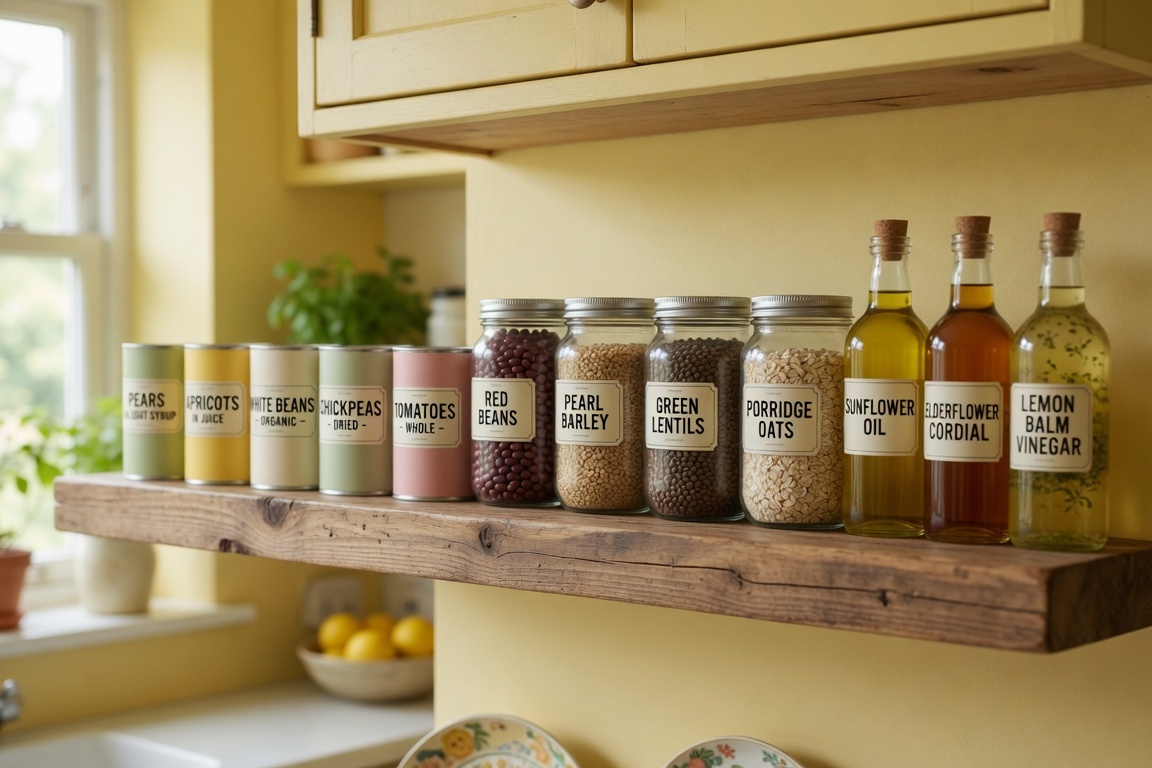
There is a particular kind of lightness that arrives with summer. The days stretch longer, meals become simpler, and the kitchen itself seems to exhale. It is the perfect moment to open the pantry door and let a little of that summer air in.
A summer pantry is not about perfection. It is about ease. It is about knowing exactly where to find the jar of olives for a last‑minute salad, the tin of tuna for a quick lunch, or the bag of pasta for a no‑fuss dinner. When the weather warms, the last thing any of us wants is to wrestle with a cluttered cupboard. That is where a gentle summer pantry organization comes in.
A calm pantry leads to calmer mornings. An organized cupboard leads to easier evenings.
This guide is not about a full kitchen overhaul. It is a gentle, hour‑long reset that will save you time, money, and frustration for the rest of the season. A small amount of thoughtful setup at the beginning of summer quietly makes everything simpler for the next three months.
I have a beautiful and simple guide how to live lightly with less things here.
Why summer is the perfect time for a pantry reset
Summer cooking is different. We eat more salads, more fresh produce, more meals that come together without much fuss. The heavy stews and slow‑cooked casseroles of winter give way to light, bright flavours. Our pantries should reflect that shift. A thoughtful summer pantry organization helps you embrace this seasonal change with ease.
A summer pantry does not need to be full – it just needs to be ready.
By taking a little time now to clear out the old, organise what remains, and make space for seasonal favourites, you set yourself up for weeks of effortless meal‑making. No more digging through expired jars or buying duplicates of things you already have. No more frustration when you cannot find what you need.
This is a simple, satisfying project. It does not require expensive containers or a complete kitchen remodel. All it asks is a little time, a clear surface, and a willingness to let go of what no longer serves you.
Step one: empty it all out
This is the moment that feels most daunting, but it is also the most liberating.
Take everything out of your pantry. Every jar, every tin, every half‑used bag of flour. Place it all on a large table or the kitchen counter.
Yes, everything. This is the foundation of effective summer pantry organization.
This step is essential because you cannot organize what you cannot see. When the shelves are bare, you can properly wipe them down. When everything is spread out in front of you, you can see exactly what you have, what you need, and what you have been ignoring for far too long.
As you empty, keep a bin or bag nearby for items that need to go. You will be surprised how many things have been hiding at the back, past their prime.
Step two: check expiry dates and let go
Now comes the honest part.
Go through every single item. Check the expiry dates. Trust your instincts – if a jar of pickles has been sitting there for three years, it is time to say goodbye.
- Expired food: Toss it. No guilt, just relief.
- Unopened, non‑expired food you no longer want: Consider donating to a local food bank. Someone else will be grateful for it.
- Half‑used bags or packets: If you have not touched them in months, let them go. They are only taking up space.
This is not about waste. This is about making room for food you will actually eat. A lighter pantry is a happier pantry.
Step three: wipe down every shelf
With the shelves empty, take a few minutes to clean them properly.
Use a damp cloth with a little warm water and a drop of mild soap. Wipe down every shelf, every corner, every sticky spot you have been avoiding. Let the shelves air‑dry while you sort through your items.
This small act of care makes the whole space feel fresh and inviting. It is also a good moment to check for any signs of pests or moisture – better to catch those early.
Step four: group like with like
Now the real organising begins.
Group your items by category. This makes it so much easier to find what you need and to know when you are running low. A simple summer pantry organization system saves you time and reduces food waste. It also makes grocery shopping easier.
Common categories for a summer pantry include:
- Canned goods: Tomatoes, beans, tuna, coconut milk
- Grains and pasta: Rice, pasta, quinoa, couscous
- Oils and vinegars: Olive oil, balsamic, red wine vinegar
- Condiments and sauces: Mustard, mayonnaise, soy sauce, hot sauce
- Baking supplies: Flour, sugar, baking powder, vanilla
- Snacks: Crackers, granola bars, nuts, dried fruit
- Summer staples: Olives, sun‑dried tomatoes, capers, marinated artichokes
Place the items you use most often at eye level. Keep occasional items on higher or lower shelves. Grouping items by category, decanting dry goods into clear jars, and using baskets and risers can transform even the smallest pantry into a beautifully functional space.
Step five: decant into clear containers
This step is optional, but it makes a surprising difference.
Transfer dry goods – pasta, rice, flour, sugar, oats – into clear glass jars or airtight containers. This allows you to see everything at a glance and lets you know what you need to stock up on.
You do not need to decant everything at once. Start with the items you use most frequently. Over time, you can add more containers as you find them. I have thrifted them in a few years. The jars or containers should be big enough, so that after decanting the bags or boxes, the whole content fits into the jar.
Clear containers also make your pantry look beautiful, which is a small but genuine pleasure every time you open the door.
Step six: create a summer station

Summer has its own rhythm, and your pantry can reflect that.
Designate a small area – a shelf, a basket, or a dedicated spot – for summer favorites. Group together things people constantly hunt for in warm weather: reusable water bottles, drink mixes, picnic supplies, sunscreen, paper napkins, sandwich bags, and easy snacks.
This simple act makes summer living so much easier. When you are heading out for a picnic or a day at the beach, everything you need is right there, ready to grab.
You can also create a dedicated area for grilling favo-rites – marinades, skewers, sauces – to make summer barbecues effortless.
Step seven: label and love it
Labels are not just for show. They help everyone in the household know where things belong, which means the pantry stays tidy for longer. A label system is the finishing touch that makes summer pantry organization truly sustainable.
You can use a label maker, simple chalkboard stickers, or even washi tape and a permanent marker. Label the front of each jar, bin, or basket so you can see at a glance what is inside.
A simple label system also makes restocking easier. When you know exactly what you have and where it goes, you are less likely to buy duplicates.
A quiet invitation
A summer pantry reset is not a chore. It is a gift you give yourself – a little time spent now that will save you time, money, and frustration for the rest of the season.
You do not need to do it all in one afternoon. Set aside an hour, put on some music, and work at your own pace. And when you are finished, stand back and admire your work. Open the door and take a deep breath. A calm pantry leads to calmer days.
This week, I invite you to open your pantry door and see what is waiting for you. You might be surprised how much lighter you feel after just one small reset.
Save this post for a quiet afternoon when you have an hour to spare. 📌
👇 What is the one thing in your pantry you keep meaning to organise? Share in the comments below or tag me on Instagram @sophiasquietcottage.


