
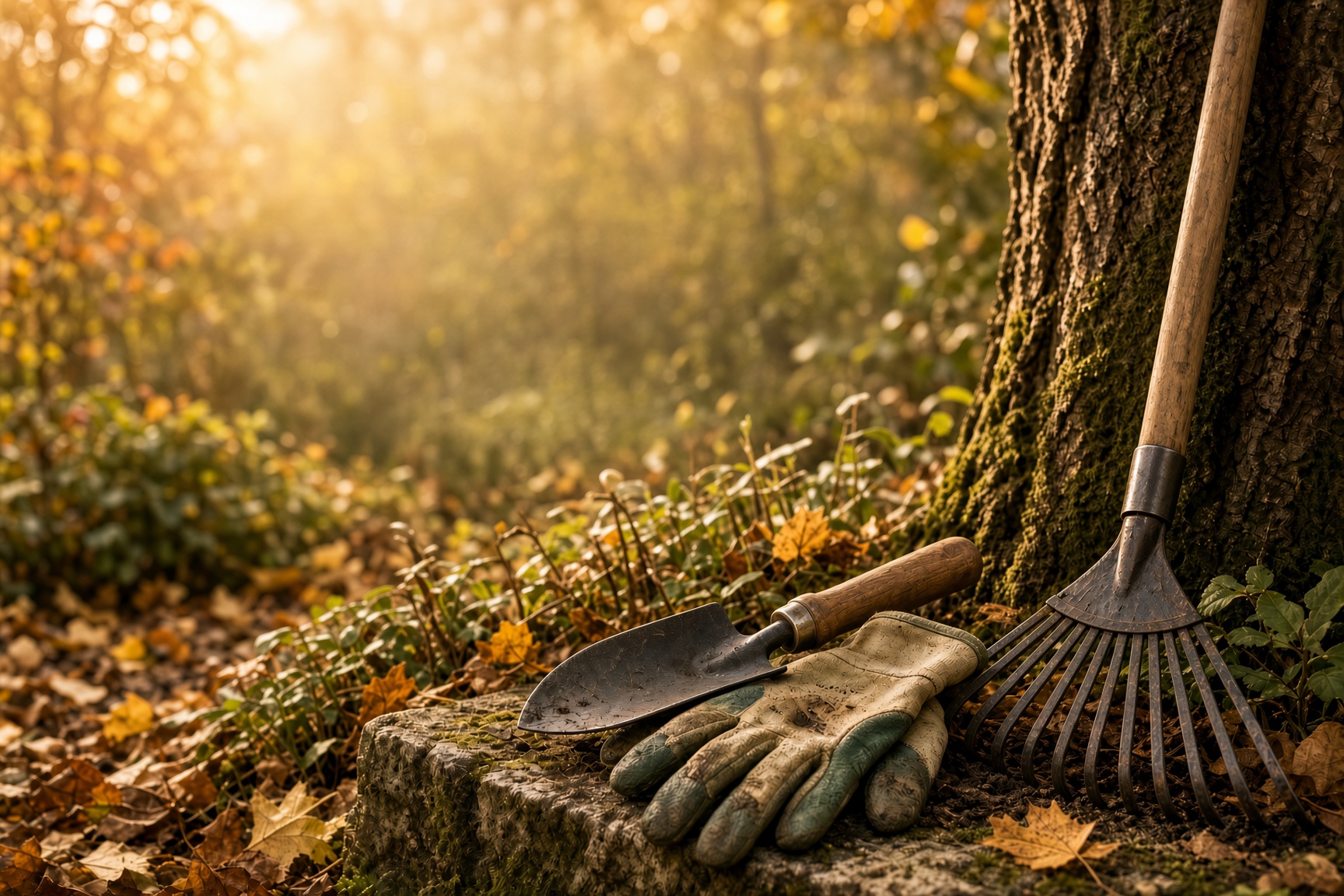
The garden is winding down. The days are shorter, the air is cooler, and the last of the summer blooms are fading. It is tempting to close the gate and forget about the garden until spring. But a little time spent now, before the ground freezes and the snow falls, can make all the difference to next year’s garden.
Preparing your garden before winter is one of the most important things you can do for a healthier spring. A few simple tasks now save hours of work later, reduce weeds, and strengthen your soil. These fifteen tasks are not complicated. They do not require special skills or expensive tools. They are simple, gentle acts of care that will reward you with healthier soil, fewer weeds, stronger plants, and a much easier spring.
If you are looking for more ways to prepare your garden for the changing seasons, you might also enjoy our guide on how to collect and save seeds HERE.
Here are the most important things to do in the garden before winter.
1. Why should you clear out spent annuals and vegetable plants?
Clear out spent annuals and vegetable plants to prevent pests and diseases from overwintering. Once the frost has blackened your annual flowers and vegetable plants, it is time to remove them. Pull them up and add healthy material to your compost pile. However, if any plants show signs of disease or insect damage, do not compost them – dispose of them outside the garden to prevent the spread of problems next year.
Clearing out old plants removes hiding places for pests and diseases, giving your garden a clean slate for spring. This is one of the most effective things to do in the garden before winter.
2. Why should you remove weeds in the fall?
Weeds are easier to pull in autumn when the soil is still moist. Taking a few minutes to remove them now, before they drop their seeds, significantly reduces the weed population in your garden beds come spring. A quick session of weeding in the fall prevents a much larger problem next year.
3. Why add compost or organic matter to beds in autumn?
Autumn is the perfect time to feed your soil. Spread a one to two-inch layer of compost, well-rotted manure, or other organic matter over your garden beds. The winter rains and snow will slowly work it into the soil, improving its structure, boosting microbial activity, and adding essential nutrients. By the time spring arrives, your soil will be rich, alive, and ready for planting.
4. When should you plant spring-blooming bulbs?

Plant spring-blooming bulbs in the fall, before the first hard frost. Daffodils, crocuses, muscari, and tulips should all go into the ground now. Plant them in drifts for a natural look, or in pots and borders for a burst of color. The reward is beautiful blooms when little else is flowering. This is one of the most rewarding things to do in the garden before winter.
5. Why plant garlic and overwintering onions in the fall?
Garlic and overwintering onions are best planted in the fall because they need a cold period to form properly. They establish roots before the ground freezes and will be ready to harvest early next summer. Garlic, in particular, benefits from this cold period, which helps the bulbs develop.
6. Should you cut back all perennials before winter?
Cut back dead or diseased perennial foliage, but leave some perennials standing for wildlife. Cut back spent perennials to about three or four inches above the ground. This tidies the garden and removes hiding places for pests. However, leave some perennials standing, especially those with attractive seed heads. They provide winter interest, food for birds, and habitat for beneficial insects.
7. How do you protect tender plants from frost?
Protect tender plants from freezing temperatures by moving them indoors or covering them with fleece. Tender plants, including many potted perennials and tropical species, need protection. Move potted plants indoors or into a greenhouse. For plants that must stay outside, cover them with fleece, straw, or a thick layer of mulch around the base to insulate the roots.
8. Why apply a thick layer of mulch before winter?
Mulch protects plant roots from freezing and thawing cycles, retains moisture, and suppresses weeds. Apply two to three inches of organic mulch – bark chips, straw, or shredded leaves – around the base of your plants. This protective blanket keeps roots insulated through winter and reduces the need for watering and weeding in spring.
9. Should you rake fallen leaves in the fall?
Yes, rake fallen leaves to prevent them from smothering your lawn. However, you can also use them to make leaf mold, a wonderful soil conditioner. Alternatively, run over them with a mulching mower and leave them on the lawn as a natural fertilizer. A few leaves left in borders can also provide shelter for wildlife, but avoid leaving thick layers on your lawn.
10. Why water your garden deeply before winter?
Deep watering before the ground freezes helps plants withstand winter winds and cold temperatures. If your autumn has been dry, give your garden a deep watering. This is especially important for evergreens and newly planted trees and shrubs. Well-hydrated plants are better able to survive the winter.
11. How should you clean and store garden tools for winter?
Clean your tools thoroughly and protect them from rust to extend their life. Before you put your tools away for the winter, clean off any soil, remove rust, and sharpen blades. Coat metal parts with a light layer of oil to prevent rust. Drain hoses and store them indoors to prevent cracking in freezing temperatures. Well-maintained tools make spring work much easier.
12. Why should you drain your irrigation system before winter?

Drain irrigation lines before the first hard freeze to prevent costly damage. Water left in pipes can freeze, expand, and cause costly damage. This simple step protects your investment and saves you from repairs in the spring.
13. How do you protect young trees and shrubs from winter damage?
Wrap young tree trunks with tree guards and mulch around the base to protect them. Young trees and shrubs can be damaged by winter weather and hungry animals. Wrap the trunks of young trees with tree guards to protect them from rodents and sunscald. Mulch around the base of trees and shrubs to protect the roots. Remove any fallen fruit from around fruit trees to prevent disease.
14. Why leave some areas of the garden wild for winter?
Leaving some areas untidy provides essential habitat for wildlife over winter. Not everything needs to be tidy. Leave piles of leaves in quiet corners of your garden to provide hibernation sites for hedgehogs and other small creatures. Leave some seed heads standing for birds to feed on. A garden that supports wildlife is a garden that is truly alive.
15. Why keep a garden journal before winter?
Taking notes now helps you plan a better garden next year. Before you forget, jot down what worked well and what did not. Note which varieties you loved, which ones struggled, and any changes you want to make. A simple garden journal, even just a few notes on your phone, can be invaluable when you are planning your spring planting.
Quick reference: 15 things to do in the garden before winter
| Task | Why Do It | When To Do It |
|---|---|---|
| Clear spent plants | Prevent pests and diseases | After frost |
| Remove weeds | Reduce spring weeds | When soil is moist |
| Add compost | Feed the soil | Before ground freezes |
| Plant spring bulbs | Early spring color | Before first hard frost |
| Plant garlic and onions | Early summer harvest | Fall |
| Cut back perennials | Tidy and prevent pests | After first frost |
| Protect tender plants | Prevent frost damage | Before first freeze |
| Apply mulch | Insulate roots | Before ground freezes |
| Rake leaves | Prevent lawn damage | As they fall |
| Water deeply | Help plants survive winter | Before ground freezes |
| Clean tools | Extend tool life | Before storing |
| Drain irrigation | Prevent pipe damage | Before first freeze |
| Protect trees | Prevent winter damage | Before winter |
| Leave wild areas | Support wildlife | All winter |
| Keep a journal | Plan for spring | Before you forget |
A quiet invitation
Preparing your garden for winter is an act of faith. It is trusting that the work you do now, in the quiet of autumn, will bear fruit in the warmth of spring. A little time spent on these fifteen things to do in the garden before winter will reward you with healthier soil, fewer weeds, and a much easier spring.
This week, I invite you to spend a few hours in your garden. Choose a few tasks from this list. Rake some leaves, spread some compost, plant a few bulbs. And as you work, take a moment to appreciate the garden’s gift of rest. The soil needs to sleep, and so do you.
Save this post for a crisp autumn weekend. 📌
👇 What is your most important winter preparation task? Share in the comments below or tag me on Instagram @sophiasquietcottage.


Leave a Reply