
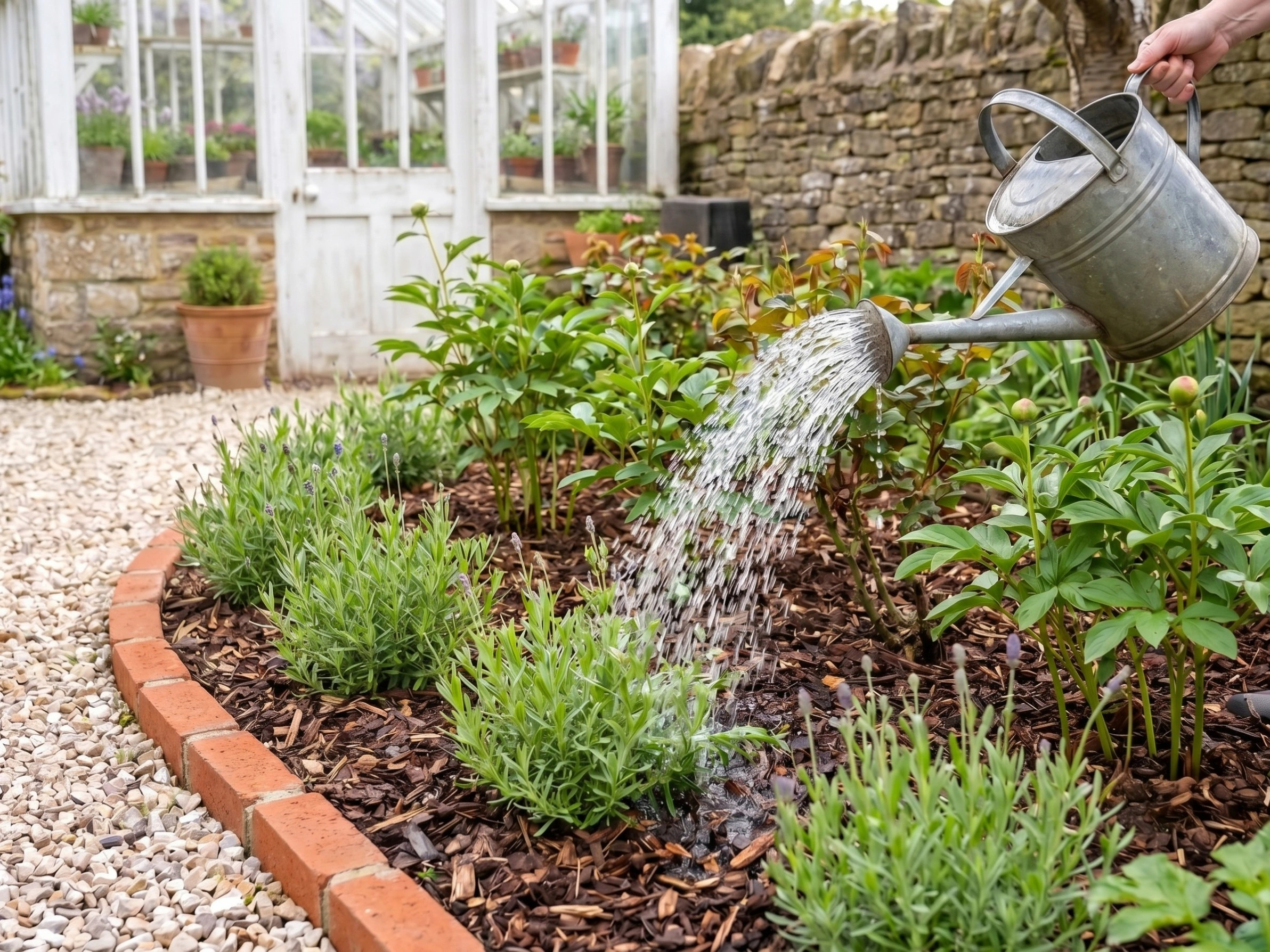
A gardener once told me that a cottage garden is not made in a season – it is made in a thousand small, tender moments. One seed at a time, one weed gently pulled, one evening spent sitting among the flowers you have grown. This guide is for anyone who has ever dreamed of how to start a cottage garden from scratch but felt a little unsure where to begin. Let us walk this path together, slowly, kindly, and without any pressure to be perfect.
Step 1: Find your spot and know your light
Before you buy a single plant, spend a few quiet days watching your garden. How to start a cottage garden from scratch begins with understanding the space you already have. Notice where the sun falls in the morning, where it lingers in the afternoon, and which corners stay shady.

Full sun means six or more hours of direct sunlight, while part sun is three to six hours. A south-facing garden will bask in sunshine for most of the day, which is wonderful for roses and lavender. A north-facing garden, meanwhile, still offers possibilities – leafy greens, certain herbs, and bush fruits like blackcurrants can thrive there.
Walk around your space at different times. Sketch a simple map on paper, marking sunny and shady patches. This small act of observation is the most important step you will take. It costs nothing, asks only for your presence, and will save you from heartache later.
Step 2: Define your edges and make a simple plan
A traditional cottage garden is known for its soft, abundant look, but even the wildest beauty needs a quiet frame. How to start a cottage garden from scratch includes shaping your space with borders, paths, and hardscape to separate it from a meadow or woodland feel.

Forget straight lines and perfectly trimmed edges. Think instead of gentle curves, meandering gravel paths, and little nooks for a bench or a birdbath. You can edge your borders with low stones, reclaimed bricks, or simply let the grass soften into the flower beds.
Plan a flexible layout, but do not overthink it. Start with one bed rather than the whole garden. It is far better to have one beautiful, well-tended corner than a dozen messy ones.
Step 3: Prepare the soil with love and patience
Your soil is the foundation of everything. Treat it kindly, and it will reward you for years. How to start a cottage garden from scratch means giving your earth the attention it deserves.
Remove any grass or weeds from your chosen area. If you prefer a gentle, no-dig approach, sheet mulching works beautifully. Simply lay down cardboard or several layers of newspaper, wet it thoroughly, and cover it with a thick layer of compost and mulch. This method smothers weeds and builds fertile soil at the same time.
Once your bed is cleared, dig in a generous amount of organic matter – well-rotted manure, garden compost, or leaf mould all work wonderfully. A final layer of mulch (around two to three inches deep) will help retain moisture, suppress weeds, and feed the soil as it breaks down.
Step 4: Choose your plants (start with the forgiving ones)
This is the joyful part. How to start a cottage garden from scratch does not require a long list of complicated plants. Begin with a few reliable, low-maintenance varieties that will reward your efforts without demanding constant attention.
Some of the best plants for beginners include:
- Lavender for its scent, resilience, and ability to attract pollinators.
- Hardy geraniums for their long blooming season and easy-going nature.
- Coneflowers (Echinacea) for their cheerful, daisy-like flowers and tolerance of dry conditions.
- Catmint (Nepeta) for its soft, billowy texture and drought tolerance.
- Foxgloves (Digitalis) for their dramatic height and self-seeding habit.
When you plant, arrange taller varieties at the back of the border, mid-sized plants in the middle, and low-growing groundcovers along the front. This simple rule creates depth and ensures every plant is visible.
Step 5: Plant with care and water well
On planting day, dig a hole slightly wider than the root ball but no deeper. Gently loosen the roots if they are tightly bound, place the plant in the hole, and backfill with soil. Press down firmly to remove air pockets, then water thoroughly so that moisture reaches the full depth of the roots.

After planting, apply a layer of mulch around each plant (but not touching the stems) to lock in moisture and discourage weeds. Water regularly during the first few weeks while your new plants establish themselves. Once they settle in, most cottage garden perennials are surprisingly drought-tolerant.
The gentle art of maintenance (less is often more)
A cottage garden should feel alive, not overworked. How to start a cottage garden from scratch includes learning to embrace a little beautiful chaos.
- Water deeply but infrequently to encourage deep root growth.
- Avoid overfeeding. Many traditional cottage favourites actually flower best in moderately fertile conditions.
- Allow plants to self-seed. Those tiny seedlings you might be tempted to pull out could be next year’s foxgloves or poppies.
- Deadhead spent flowers to encourage repeat blooming, but leave some seed heads for the birds.
- Cut back perennials in late autumn or early spring, depending on the plant.
Remember, your garden does not need to be perfect. It needs to be yours.
🏡 A special note for small spaces
You do not need an acre to enjoy a cottage garden. Even a tiny balcony or a small patio can be transformed. How to start a cottage garden from scratch works just as well in pots as it does in the ground.
Use containers of different sizes and heights. Plant tall flowers like foxgloves or cosmos in the back of a pot, trailing plants like nasturtiums over the edge, and low growers like violas in between. Add a small obelisk or trellis for a climbing rose or sweet peas to draw the eye upward and create that storybook feeling without taking up much ground space.
A cottage garden in miniature is still a cottage garden, still a place of peace and beauty.
❌ Common mistakes to avoid (and how to fix them gently)
Even experienced gardeners make mistakes. The key is to learn without shame.
- Planting without a plan. Randomly placing plants can create a disorganised look rather than artful abundance.
- Overcrowding. Plants need room to breathe. Give them space to reach their full size.
- Ignoring sunlight needs. A shade-loving plant in full sun will struggle, just as a sun-worshipper will sulk in the shade.
- Forgetting about structure. Evergreen shrubs, a small bench, or a simple obelisk give your eye somewhere to rest.
- Being too tidy. A few fallen petals, a slightly winding path, and plants allowed to spill over edges—this is the soul of a cottage garden.
A quiet invitation
Start small. One bed, one pot, one afternoon. How to start a cottage garden from scratch is not a race; it is a slow, tender relationship with a piece of earth. Some plants will thrive, a few will falter, and every single outcome will teach you something.
This week, I invite you to spend fifteen minutes in your chosen spot. Just sit. Notice where the light falls, what the soil feels like, where a little colour might bring you joy. That quiet observation is the first and most important seed you will ever plant.
Save this post for your first spring of planting. 📌
Are you thinking of starting your own cottage garden? I would love to hear which plants you are dreaming of. Share in the comments below or tag me on Instagram @sophiasquietcottage.
👇 Would you like a free printable garden planner to track your planting? Sign up below, and I will send one straight to your inbox.
I hope this guide feels like a gentle hand on your shoulder, encouraging you to begin. Every cottage garden starts with a single seed, and every gardener starts exactly where you are right now. Happy planting, dear friend. 🌻


