
I know the feeling well. You step outside, and instead of the peaceful sanctuary you dreamed of, your eyes are immediately drawn to the creeping buttercup and the self-seeded lemon balm that have popped up everywhere. The relentless to-do list begins to feel like a quiet indictment of failure. If this sounds familiar, you are not alone. Let’s take a deep breath together. We’re not here to conquer the weeds; we’re here to make peace with weeds.
For so long, I used to believe that a good garden was a perfect one. No weeds. No gaps. Everything trimmed, blooming, and exactly where it was “supposed” to be. But gardens have a funny way of teaching us, if we’re willing to stop and listen. I’ve learned that the relentless pursuit of a flawless garden often backfires. My attempts to micromanage every inch simply led to stress and burnout, pushing me further away from the joy I was seeking. The desire for perfection can be an immense weight, both on the land and on our shoulders.
How to shift the mindset from perfection to simplicity
The first, most important step to make peace with weeds is simply this: stop. Stop trying to get on top of the mess and the endless tasks. Just sit down amid the chaos of your garden and see it for the beauty it holds, not the things it has failed to be.
“A messy garden is better than an empty one.”
This simple truth has become a quiet mantra for me. When we ease our grip on what we want our garden to be and meet it where it is, we can more intentionally cultivate a relationship with our patch of earth. We can learn to tolerate a certain degree of imperfection because a garden buzzing with bees, alive with growth, does more for the environment – and for our human spirit – than one that is flawlessly trimmed.
If you just planning to start your beautiful garden, I have a a blog post how to do it without overwhelm here.
If we can shift our mindset, the physical tasks also feel different. We can start to see weeding not as a battle, but as a mindful practice. When I’m weeding, I try to just do the weeding. I don’t label it as a horrible chore. I try not to see the weeds as evil or nasty little things deliberately trying to frustrate my efforts. They’re just growing. They’re simply doing their best to live another day, just like you and me.
When you remove the negative labels, the process becomes equanimous – calm and composed. Every moment, even the weeding, becomes quieter. This small shift, from “fixing” to simply “paying attention,” changes everything to make peace with weeds. An attentive gardener catches pests early, prunes with intention, and allows plants to grow into themselves rather than forcing them into shapes they were never meant to be. The garden becomes a practice, not a project.
Now, here is the most delicious part of our new philosophy: we can reframe the relationship entirely by discovering the hidden pantry in our own backyards. Many of those “weeds” we’re so eager to yank out are, in fact, incredibly nutritious and delicious edible plants. Why fight them when you can eat them?
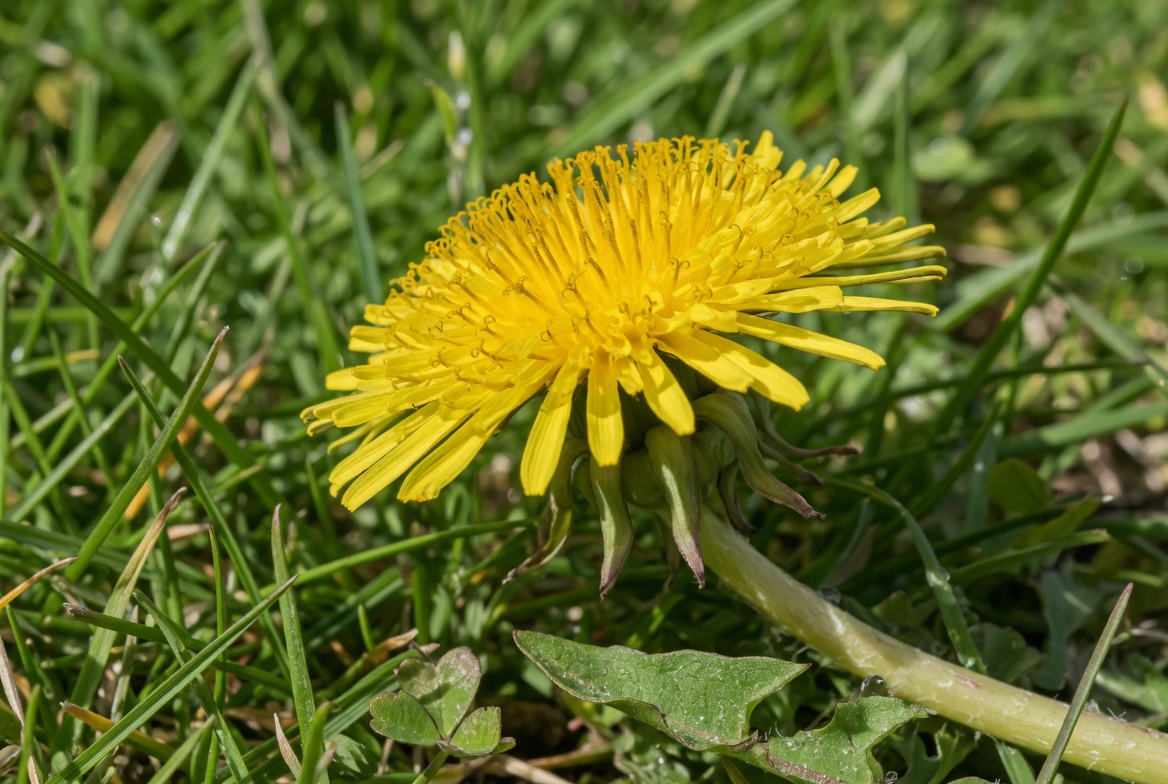
We can start with the most common edible weeds. The humble dandelion is a powerhouse. Before it flowers, its young leaves are perfect in a stir fry or salad. The bright yellow petals can even be used to decorate cakes. Those stinging nettles that catch your ankles are a fantastic spinach substitute. You just need to blanch them in boiling water for 30 seconds to remove the sting. The young leaves of chickweed have a delicate, corn-silk flavour and can be chopped into salads or turned into a vibrant pesto. And purslane, with its low, spreading, succulent leaves, has a crisp, tart flavour that is wonderful raw or cooked.
To help you get started on this culinary adventure, here is a simple, bright recipe perfect for a June lunch. It transforms what was once a foe into a foraged feast.
A simple foraged salad with a dressing
This recipe is a template. Feel free to substitute with whatever is growing abundantly in your patch.

Ingredients (Serves 2 as a side):
- 2 generous handfuls of mixed edible weeds (young dandelion leaves, chickweed tops, young purslane)
- A small handful of fresh herbs from the garden (parsley, chives, or mint)
- 1 tablespoon of olive oil
- 1 teaspoon of lemon juice (or a mild vinegar)
- A pinch of salt and a grind of black pepper
- Optional: A few shavings of parmesan or a sprinkle of toasted seeds
Method:
- Prepare your greens. First and foremost, always be 100% certain of your identification. Follow the golden rule of foraging: when in doubt, leave it out. Rinse the greens thoroughly in cool water to remove any dirt or garden visitors.
- Make the dressing. In a small bowl or jar, whisk together the olive oil, lemon juice, salt, and pepper.
- Assemble. Place the dry, clean greens and herbs in a salad bowl. Drizzle with the dressing and toss gently.
- Finish and serve. Top with parmesan shavings or seeds if you like, and enjoy immediately. It’s a truly unique taste of your own garden’s wild side.
I invite you this week to step outside and simply observe. Sit down in the middle of it all and just look. Let go of the “shoulds” and the unfinished tasks. Pick a single dandelion leaf and taste it. Notice the bees buzzing around the clover. To make peace with weeds is easy and simple. We just need to let go of the perfection. This is your garden, and it is perfectly imperfect. And that, my friend, is more than enough.
Save this post for a day when your garden feels a little too wild. 📌
👇 What is one “weed” you might see differently now? I would love to hear. Share your thoughts in the comments below or tag me on Instagram @sophiasquietcottage.


